





Fintech Companies in Nigeria
Nigeria has grown to have one of the world’s most developed Fintech ecosystems. During the last decade, the digital financial market in Nigeria expanded rapidly, especially due to the country’s cash-oriented culture. The development of financial technology in Nigeria has been characterized by seamless digital payment, digital banking, automating the savings process, and instant crediting of accounts and the offering of financial services to unserved or underserved markets. Download iLot bet app today and discover the fintech companies in NIgeria!
The Rise of Fintech in Nigeria
Part of the growth of Fintech in Nigeria is due to the inability of the conventional financial sector to service the banking needs of the population. Most of the population was either unbanked or underbanked. Access to banking services was often due to the limited branches of the banks and the costs associated with the banks accounts. Fintech has been able to fill this service gap by deploying digital banks that make use of mobile technology, the internet and easy onboarding applications.


An Overview of Nigerian Fintechs
Nigerian fintechs work in different areas like payment services, digital wallets, digital banks, savings and investments, lending, and services above. Fintechs are technology companies that are fully licensed by the Central Bank of Nigeria (CBN) and work in collaboration with certain regulated financial service providers.
Lagos is the primary fintech location, but companies are starting to operate in all areas of the country. Some Nigerian fintechs have started to operate in other countries within the African continent. This has started to create Nigeria as an African leader in innovative financial technology.
Financial Inclusion and Services in Nigeria
There are millions of Nigerians with no access to formal bank accounts, credit, savings, or other financial services. This is financial exclusion. Access to fintech services is mobile accounts, agent banking, and alternative credit scoring. This is the reason why they are a part of fintech services.
Fintechs stream digital onboarding and lowers the fees to help rural people participate in the formal economy. They also provide services to people to help with their day to day needs like payment of bills, savings, and small loan.
The Role of Fintech in Modern Banking
Fintech companies work with and, in some instances, compete against conventional banking institutions. While banks concentrate on regulated deposit-taking and large-scale lending, fintechs streamline and improve user experience, speed, and product development. This has altered modern banking in Nigeria for the better, with improvements such as instant payments, mobile banking, and advanced financial data accessibility.
Top Fintech Companies in Nigeria in 2025
In 2025, Nigeria is home to a wide variety of fintech firms serving the financial needs of individuals, small businesses, and large corporations. The following are some of the country’s most impactful companies in the year 2025.
Paystack
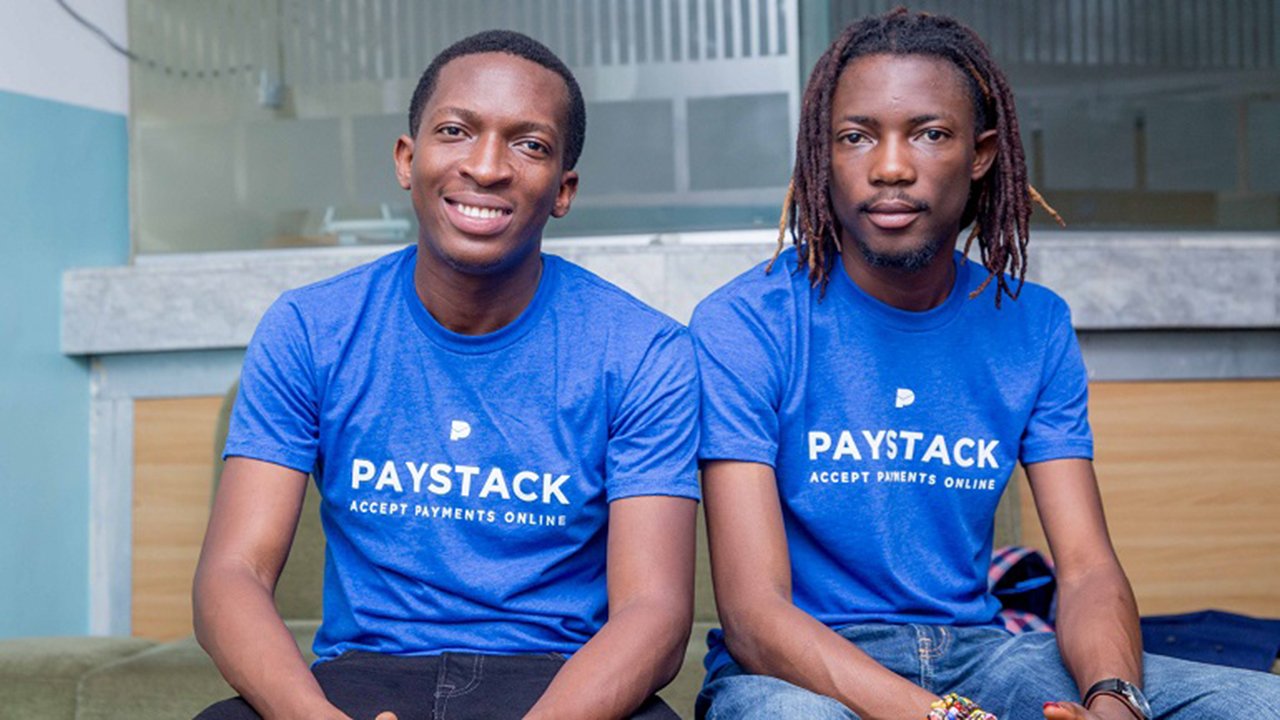
Paystack is a leading online payment processing company and helps businesses accept online and offline payments. It enables users to transact through cards, bank accounts, and USSD payments. Paystack has solid APIs and other tools that are very helpful to budding (Developer) startups and small service provider businesses.
Flutterwave
Flutterwave offers payment gateways to businesses in Nigeria and the rest of Africa. Its service empowers businesses to accept payments in a variety of foreign currencies, and payments can be received from all over the world. Flutterwave is an enabler of payments to African businesses that provide services to non-African users, thereby facilitating cross-border commerce.
PiggyVest
Piggy Vest is dedicated to automated digital saving and nurturing retention ability and discipline. They have automated and fixed saving plans and investment schedules. Piggy Vest is geared towards people who want more structure in saving and building money retention skills.
Cowrywise
Cowrywise is a digitized wealth manager with saving and investing products. For investing in mutual funds, there are savings plans offered with lower starting amounts. The primary focus is on financial literacy to create long-term wealth.
Carbon
Carbon is a digital lender and banker with instant loans and savings and bills payments. Collateral is often not needed along with small businesses and individuals. Supplying short-term credit is done with data scaped credit.
Kuda
Kuda is a digital, or what is known as a, neobank. They provide savings accounts, a debit card, and payment services without a physical branch for infrastructure. Their low fees and mobile structure are appealing for Kuda’s primary audience, tech-savvy urban residents.
OPay
OPay provide mobile wallets, payment on bills, and aggregated agent banking. For cash withdraw and deposit, their extended agent network is useful for people without direct bank access. OPay also provides payment acceptance to merchants.
Paga
Paga is an early fintech firm in Nigeria that focuses on digital payments and remittances. Its platform allows individuals, businesses, and agents to conduct financial transactions and transfers in cities and rural locations.
FairMoney
FairMoney allows digital loans, savings, and payment services to be offered. FairMoney focuses on individuals and micro-enterprises, and offers quick lending services to them. The platform also enables them to do some basic digital banking.
Moniepoint (formerly TeamApt)
Moniepoint is involved in business banking and business merchant services. The company provides point-of-sale (POS) terminals, business accounts, and payment processing. It provides services to many small and medium enterprises (SMEs).
Other Notable Fintechs: PalmPay, Nomba
PalmPay has a mobile wallet and offers payment services to consumers. Nomba, on the other hand, has payment terminals and merchant services. Both companies enhance the digital payment ecosystem and assist Nigeria’s micro enterprises.
Innovations in Digital Lending and Financial Inclusion
Nigeria’s fintech sector boasts innovation and the introduction of new services, especially those that meet the need for access to credit, payments, and other financial needs.
Lending Platforms: PayLater and Lend
Digital lending platforms use transaction history and mobile usage to assess creditworthiness and to provide credit to people without traditional credit history. Fast loan approvals and flexible repayment structures widen the target audience to more people and small businesses.
Mobile Wallets and Payment Solutions
Mobile wallets allow users to store money, transfer funds, and pay bills via their mobile device. They help people avoid cash and enhance the transparency of transactions. For merchants, the ability to ‘go digital’ reduces cash-handling risks and improves document storage.
How Fintech Improves Access to Banking in Nigeria
Fintech improves access to the formal financial system by reducing the friction in the customer journey. Account opening is simplified, the use of agent networks, and mobile applications allow seamless access to financial services without the need to visit bank branches. This is particularly useful in rural and underserved geographies.
Fintech and the Nigerian Economy
There is a definite correlation between the growth of the fintech businesses in Nigeria transforming the financial sector and the growth of the Nigerian economy in 2023 and 2024. Its cross impact is seen in other sectors, especially financial services, employment, entrepreneurship, and overall productivity across the continent and across Africa, driven by digital finance, mobile money adoption, and fintech funding inflows into fintech startups.
Contribution to Economic Growth
Fintechs drive economic growth across Africa and Asia by enabling trade, improving payment systems, and increasing access to capital. Streamlined digital payments, mobile money, and instant transactions enhance economic activity, encourage small enterprises to grow, and expand operational and financial functionalities, such as modern payment platforms.
Interswitch, founded in 2002, is Nigeria’s first fintech. It processes more than 1 billion transactions each year and provides business and customer payment processing services through its Quickteller and Verve products.
Job Creation and Entrepreneurship
Direct employment within Nigeria’s fintech sector encompasses customer service, business operation, and technology employment in the industry. New venture formation is also stimulated indirectly by fintechs. They provide payment and credit systems to self-sufficient users that don’t require a bank account. Fintech systems support the functioning and scaling of numerous small business owners, enabling them to service the unbanked and underbanked. These systems provide instant loan processing without the need for complex procedures or collateral, expanding access to credit.
Companies like Carbon and FairMoney founded in 2016 and operational from 2018 lend credit and offer digital loaning services and lend offer over 5 million users to entrepreneurs and individuals and assist to over a million users.
Partnerships with Traditional Banks
Most fintechs do not replace banks entirely. Partnerships allow banks to improve and expand their services. Also, it provides fintech companies with the required regulatory and economic frameworks. This collaboration contributes positively to the financial sector.
Challenges and Future Outlook
Given the expansion the sector is experiencing, there are still a number of challenges that are affecting the fintech sector.
Regulatory Hurdles and Compliance
Regulations are a major challenge. Fintechs must navigate licensing obligations, rules for consumer protection, and laws governing data privacy. While regulatory clarity is still in a developing stage, costs of compliance will always remain a huge challenge for start-ups, especially as fintech funding becomes more selective after 2023 and into 2024.
Market Competition and Sustainability
The competition in the fintech industry and the gap between the players in the industry and the potential customers seems to get wider and wider. Everyone in the industry needs to find a truly sustainable model because, given the high cost of acquiring customers and the cost sensitivity in the market, there is no profitability to be found. Companies who are able to balance the growth and the risk of growth will be ahead of the rest in the long run.
Trends and Predictions for 2025
Fintech in Nigeria is predicted to focus on improving regional cross-border trade, strengthening cyber security, and further deepening the inclusive access to financial services for the underserved by all classes of society. The expected proliferation of advanced data analytics will likely drive the development of new
As these companies continue working on developing new products and services, old line financial services, and new regulators will be key to overcoming existing challenges and growing this industry responsibly.
Conclusion
The role of fintech companies is vital in and has the potential to reshape Nigeria’s financial landscape. They fill the Access, Affordability and Efficiency gaps that financial services and products currently possess. They also support the economy and businesses as well as the individuals using the services. With the existing obstacles in the way for these companies as they continue developing new products and services, a strong partnership with old line financial services and the emerging regulators will be vital in achieving sustained growth in this sector.
FAQ
What Are the Top Fintech Companies in Nigeria?
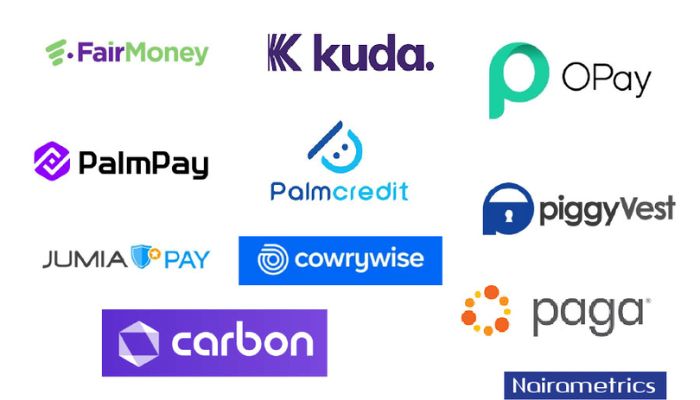
Fintech businesses in Nigeria, such as Paystack, Flutterwave, PiggyVest, Cowrywise, Carbon, Kuda, OPay, Paga, FairMoney, Moniepoint, PalmPay and Nomba have prospered.
How Is Fintech Improving Financial Inclusion in Nigeria?
Fintech has improved financial inclusion in Nigeria with the introduction of mobile accounts, agent banking, digital lending and affordable payment systems to the underbanked and unbanked.
What Services Do Nigerian Fintechs Offer?
Payment processing, digital banking, savings and investment services, loans, merchant services, and business finance solutions are all provided by fintechs.
What Challenges Do Fintech Companies Face in Nigeria?
Infrastructure challenges, competition, the need for a sustainable business model, and regulatory compliance are the most critical challenges.
What Is the Future of Fintech in Nigeria?
The future holds increased regulatory oversight, expanded inclusion and innovation, and fintechs continuing to help Nigeria shape its financial ecosystem.
Was this helpful?



Leave a Reply